
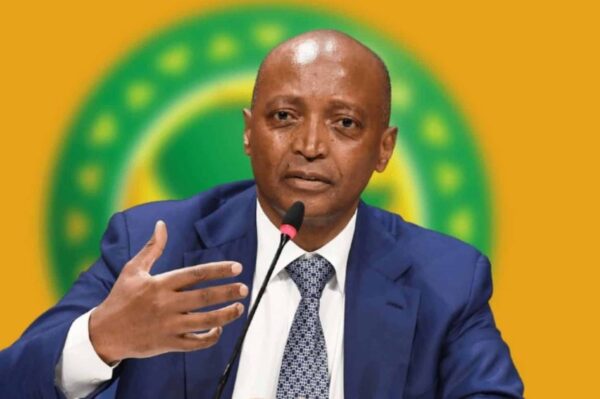


African football is on the brink of a significant transformation following sweeping reforms announced by Confederation of African Football (CAF) president Patrice Motsepe. The changes include a complete overhaul of the Africa Cup of Nations (AFCON) calendar and the introduction of a brand-new African Nations League, marking one of the most ambitious restructuring efforts in CAF’s history.
Motsepe unveiled the reforms on the eve of the 2025 AFCON tournament, describing them as a necessary step to modernise African football, resolve long-standing scheduling challenges, and strengthen CAF’s financial sustainability.
One of the most notable changes announced by Patrice Motsepe is the move away from AFCON’s traditional two-year cycle. From 2028 onward, the continent’s premier football tournament will adopt a four-year format, aligning more closely with major international competitions such as the FIFA World Cup and UEFA European Championship.
The 2027 AFCON, scheduled to be co-hosted by Kenya, Uganda and Tanzania, will proceed as planned under the existing cycle. Following that, a transitional AFCON tournament will be staged in 2028, with the host nation yet to be confirmed. From 2032 onwards, AFCON will fully settle into a quadrennial rhythm.
According to Motsepe, this adjustment is intended to provide greater stability for national teams, players, and clubs, while also allowing CAF to build stronger long-term commercial partnerships.
Patrice Motsepe Leads Shift to a Four-Year AFCON Cycle
A key motivation behind the reforms, Motsepe explained, is the persistent conflict between clubs and national teams, particularly involving African players based in Europe. The frequent scheduling of AFCON has often clashed with domestic league calendars, creating tension between clubs and national federations.
By reducing the frequency of AFCON tournaments, Patrice Motsepe believes African football can better protect players’ welfare while improving cooperation with global clubs. He said the new structure would allow players more recovery time and enable national teams to prepare more effectively for major tournaments.
“We are focused on building a sustainable and globally competitive African football ecosystem,” Motsepe said, emphasising that the changes aim to benefit players, clubs and national teams alike.
Financial sustainability is another major pillar of the reforms championed by Patrice Motsepe. AFCON currently generates nearly 80% of CAF’s total revenue, making it the organisation’s most valuable asset.
CAF has already increased prize money for the tournament, with the winners of the 2025 AFCON set to receive $10 million, up from $7 million in the previous edition. Motsepe believes the new four-year cycle will further enhance the tournament’s commercial value, attracting bigger sponsors, broadcasters, and global audiences.
This financial growth is expected to trickle down to member associations, helping improve infrastructure, youth development, and domestic leagues across the continent.
Alongside the AFCON calendar changes, Patrice Motsepe confirmed that CAF will launch an African Nations League in 2029. The new competition will feature all 54 CAF member associations and will be played annually.
Teams will be divided into four regional zones, with matches scheduled during FIFA international windows in September, October, and November. The tournament will culminate in a finals phase, ensuring that African national teams remain competitively active in years when AFCON is not held.
The African Nations League is designed to provide more consistent, high-quality competitive football for national teams, while also boosting broadcast content and fan engagement across the continent.
The reforms proposed by Patrice Motsepe have received strong backing from influential figures in African football. Cameroon Football Association president Samuel Eto’o and Egyptian FA president Hany Abo Rida have publicly praised CAF’s vision, describing the changes as long overdue.
Supporters argue that the new structure will ease fixture congestion, reduce friction with European clubs, and improve the overall standard of African national team football.
Despite widespread support, several questions remain unanswered. Stakeholders are still awaiting clarity on how the African Nations League will integrate with AFCON and FIFA World Cup qualification processes.
There is also uncertainty about the future role of regional competitions such as COSAFA and CHAN, and how they will coexist with CAF’s expanded continental calendar.
As CAF moves forward under Patrice Motsepe’s leadership, the coming years will be crucial in determining whether these reforms deliver the intended balance between competitiveness, financial growth, and player welfare. What is clear, however, is that African football is entering a new era shaped by bold decisions and long-term vision.