


DOHA, QATAR — Hamas has reiterated its refusal to disarm as part of any future political or security arrangement in Gaza, underscoring the fragile nature of the US-sponsored ceasefire that has paused more than a year of devastating conflict with Israel.
Speaking on Sunday, Hamas’s Gaza chief Khalil al-Hayya said the group considers its weapons a “legitimate right” and warned that any proposal governing the next phases of the ceasefire must recognize and preserve that position. His remarks were delivered in a televised address broadcast on Hamas-run Al-Aqsa TV.
“Resistance and its weapons are a legitimate right guaranteed by international law and are linked to the establishment of a Palestinian state,” Hayya said. “We are open to studying any proposals that preserve this right while guaranteeing the establishment of a Palestinian state.”
The comments highlight a fundamental sticking point in negotiations over the future of Gaza and the sustainability of the ceasefire, which has been in effect since October 10. While the truce halted active hostilities, it remains highly unstable, with Israel and Hamas frequently accusing each other of violations.
Hamas and the Ceasefire: Competing Visions for Gaza’s Future
The current ceasefire ended the war that erupted after Hamas launched a deadly cross-border attack on Israel on October 7, 2023. That assault triggered a massive Israeli military response that left large parts of Gaza destroyed and tens of thousands of Palestinians dead, according to local health authorities.
The ceasefire agreement is structured in three phases, each intended to gradually reduce hostilities and lay the groundwork for post-war governance in Gaza. However, disagreements over security arrangements and the role of Hamas have complicated progress beyond the initial stage.
Under the first phase, Palestinian militant groups committed to releasing the remaining 48 captives—both living hostages and bodies—held in Gaza. Hamas has so far released all but one body, a move that temporarily eased tensions but failed to resolve deeper disputes.
The second phase of the agreement envisions a more significant transformation of Gaza’s security landscape. Israeli troops would withdraw further from their positions inside the territory and be replaced by an international stabilization force. In exchange, Hamas would be expected to lay down its weapons.
Israel has consistently maintained that this condition is non-negotiable. Israeli leaders have repeatedly insisted that Hamas “will be disarmed,” arguing that allowing the group to retain military capabilities would pose an ongoing threat to Israeli security.
Hamas, however, has rejected that demand outright. Hayya’s remarks make clear that the group views disarmament as incompatible with its identity and political objectives. By framing armed resistance as a right protected under international law, Hamas is signaling that it sees no future role for itself in Gaza that does not include military power.
The third and final phase of the ceasefire agreement focuses on the reconstruction of Gaza, much of which has been reduced to rubble by Israel’s retaliatory campaign. International donors have pledged support for rebuilding efforts, but many have made assistance conditional on political reform and security guarantees—conditions that remain unresolved.
During his address, Hayya also confirmed the death of a senior Hamas figure involved in weapons production. He said the group’s head of arms manufacturing was killed in an Israeli airstrike in the Gaza Strip a day earlier.
“The Palestinian people are currently going through difficult times and suffering greatly,” Hayya said. “More than 70,000 people have been martyred, the latest of whom was the mujahid commander Raed Saad and his companions.”
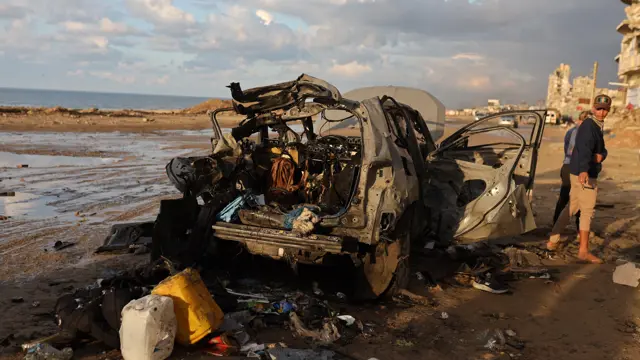
Israel announced on Saturday that it had killed Raed Saad, describing him as “one of the architects” of the October 2023 attack. Israeli officials said Saad played a central role in Hamas’s military planning and operational capabilities.
The killing underscores the persistent volatility of the ceasefire, even as diplomatic efforts continue. While large-scale fighting has paused, targeted strikes and militant activity have not fully ceased, reinforcing doubts about whether the truce can evolve into a lasting peace.
As negotiations move toward the next phase, the central question remains whether Hamas and Israel can reconcile their fundamentally opposing demands. For Hamas, retaining weapons is portrayed as essential to Palestinian self-determination. For Israel, disarming Hamas is viewed as critical to preventing future attacks.
With Gaza’s humanitarian crisis unresolved and reconstruction dependent on political compromise, the coming weeks may prove decisive in determining whether the ceasefire holds—or collapses under the weight of unresolved conflict.
Source- EWN